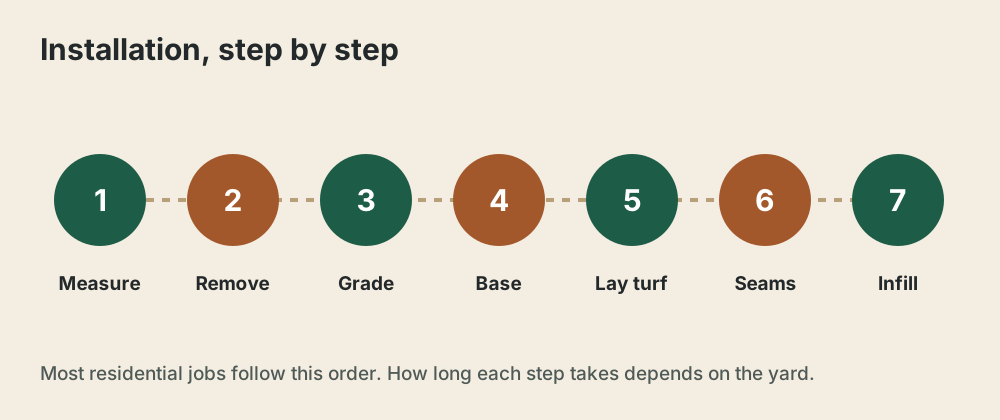
An artificial turf installation follows the same order on almost every residential job: measure, remove, grade, build the base, lay the turf, join the seams, then spread infill. Knowing the order helps you read an estimate and spot what's missing from one.
1. Measuring and marking
The installer measures the area, notes slopes and low spots, and marks sprinkler heads, valve boxes and anything buried. Turf comes in rolls of fixed widths, so the measurements also decide how many seams there will be and where they fall. This is the visit that turns a rough idea into a written estimate.
2. Removal
Grass, weeds, rock or old turf come out, usually a few inches down so the new base can sit at the right height against patios and walls. Removal is often the messiest and most variable part of the price. A yard of old Bermuda grass is more work than builder dirt.
3. Irrigation and grading
Sprinkler lines under the turf area are capped or rerouted, while trees and plants nearby keep their water. Our guide to capping irrigation for turf covers this step. Then the ground is shaped to the slope the base will follow.
4. The base
The rock base goes down and is compacted before any turf arrives. Its depth, material and slope are worth seeing in writing, and the drainage and base guide explains what to ask about each.
5. Laying and seaming
Turf rolls are laid with the fibers leaning the same way, so the color reads evenly. Where rolls meet, they're joined with seam tape and adhesive or another method the installer prefers, then trimmed and secured along the edges with nails, staples or a border.
6. Infill and finishing
Infill is spread over the surface and brushed in to hold the fibers upright and add weight. Pet areas often get an odor-control infill. A final brushing lifts the fibers and the area is cleaned up. See the infill guide for the common choices.
What this means in Peoria
Summer heat affects the job itself. Crews often start early, and adhesives and turf handle differently in high heat, so ask how the installer schedules summer work. In HOA communities, get approval before step 2, since removal is hard to undo. When you're ready for numbers, our page on turf installation in Peoria explains how we set up estimates.