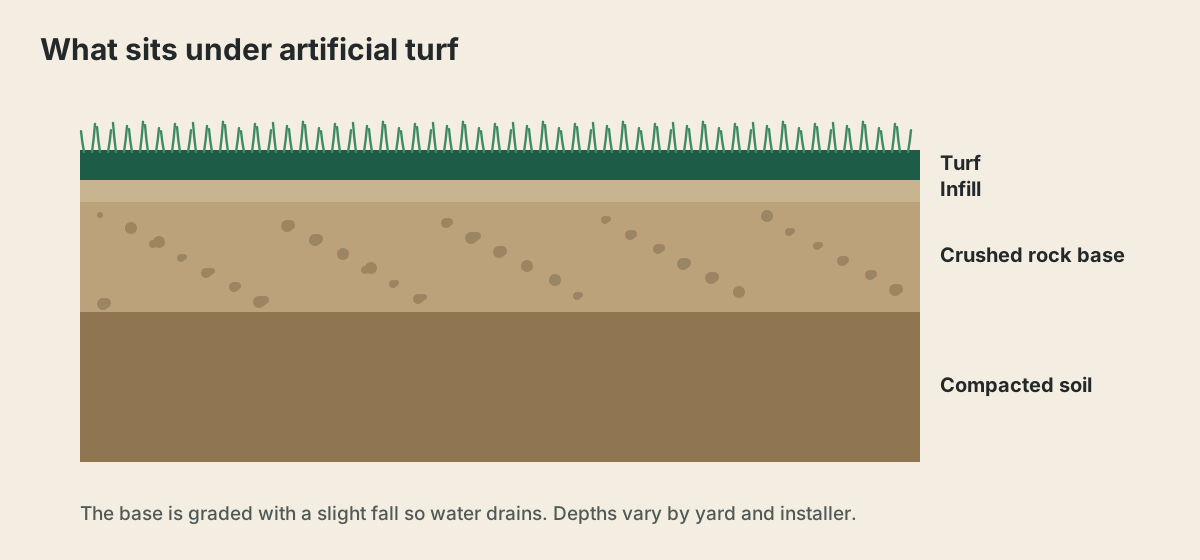
Turf drains through its backing into the base below, so the base decides whether water drains away or sits, and whether the surface stays smooth or ripples. A good base is crushed rock, compacted firmly, with a slight fall that carries water away from the house.
What the layers are
From the top down: turf and infill, then a crushed rock base, then the native soil, compacted. Depth varies with the soil and the use. Pet areas and soft ground generally need more than a firm, flat yard. Ask the installer for the planned depth and material in writing.
Compaction
Rock that isn't compacted settles later, leaving low spots where water collects and turf wrinkles. Installers compact the base with a plate compactor, often in layers. If an estimate doesn't mention compaction, ask.
The City of Peoria notes that this compaction affects soil, tree roots and nearby plants, and that drainage varies between turf products. Keep turf back from tree root zones where you can.
Slope and where water goes
The base should have a gentle fall away from the house. Water then needs somewhere to go: off the edge of the turf onto gravel, into a swale, or out of the yard as the original grading intended. In newer Peoria homes, builder grading already carries water away from the foundation, and the turf plan should keep that pattern.
Monsoon storms
Summer storms bring heavy, fast rain plus dust and debris. Grit and leaves can clog the backing and the top of the base, which slows drainage. Clearing debris after storms keeps water moving; the maintenance guide has a routine.
Pet areas need more drainage
Urine has to drain through quickly, or odor builds in the base. A pet area usually means a well-draining backing, a base built for drainage, and an odor-control infill. See pet turf installation for the full setup.