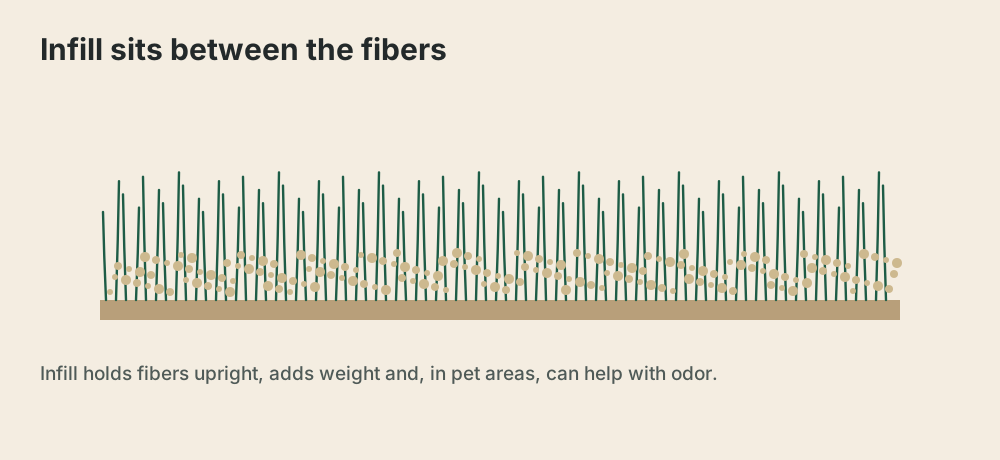
Infill is the granular material brushed in between turf fibers. It weighs the turf down, keeps the fibers upright, protects the backing from sun, and in pet areas it can help with odor. The right infill depends on how the space is used.
Common infill types
Installers will quote one of a handful of materials. Ask why they recommend the one they chose for your use.
- Silica sand: a common, low-cost choice for landscape turf
- Coated sand: sand with a coating meant to be smoother and cleaner
- Zeolite: a mineral often used in pet areas because it can hold ammonia odor until rinsed
- Rubber (crumb rubber): mostly used on sports fields
- Organic infills: plant-based materials sold as alternatives
Chemical questions
The City of Peoria's turf page raises concerns about PFAS ("forever chemicals") in some turf products, and about heat and sun breaking down crumb rubber and turf blades. AMWUA notes that adequate risk assessments of infill materials haven't been done for children and pets.
That doesn't mean every product is a problem, but it's fair to ask for the manufacturer's product information and to choose a non-rubber infill for backyards where kids and pets play.
Infill in a desert yard
Infill can wash toward low spots in monsoon storms and blow around in wind, so it needs topping up over time. Brushing redistributes it. Ask how much infill per square foot the installer plans, and keep the receipt or product name for top-ups.
Pets
For dog areas, an odor-control infill plus fast drainage and regular rinsing is the usual combination. The pet turf page covers the rest of the setup, and the maintenance guide covers rinsing.