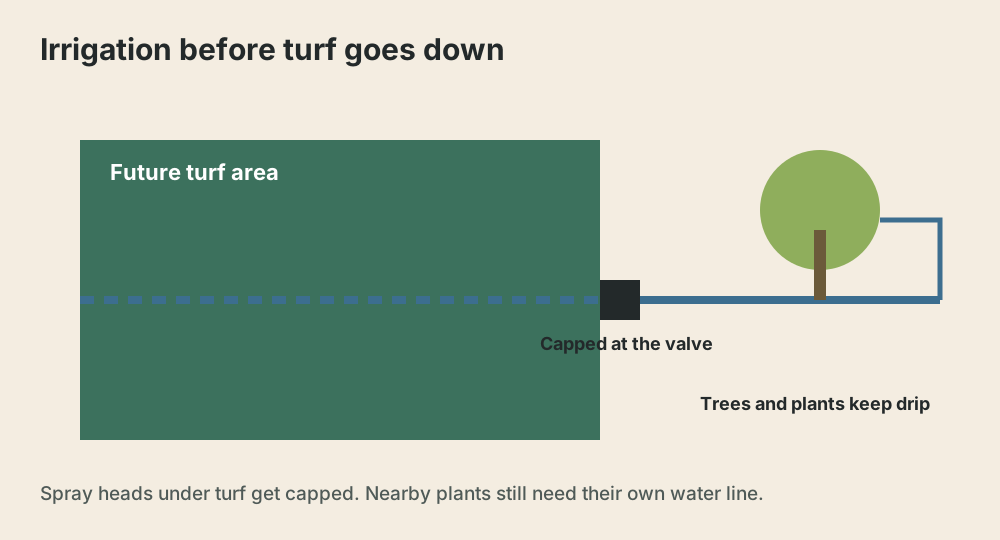
When turf replaces grass, the sprinklers under it are no longer needed. They should be capped properly, usually back at the valve or where the line branches, while trees and plants nearby keep their own water. Getting this right before the base goes down saves pulling turf up later.
Cap it at the source
Removing a sprinkler head and capping the riser leaves a pressurized line under the turf. A safer approach is to shut off or cap the zone at the valve or branch, so nothing under the turf holds water. Ask the installer which they'll do and have it written in the estimate.
Keep trees and plants watered
Trees and shrubs that drank from lawn sprinklers will still need water. Plan drip lines for them before the turf goes down. The City of Peoria also notes that turf installation compacts soil and can affect tree roots and nearby plants, so keep turf back from root zones where you can.
Buried lines and leaks
The city points out that fixing an underground leak under turf means removing and reinstalling it. Before the base goes down, mark where lines run and replace any that are old or cracked. A photo of the open trench is useful later.
Cooling sprinklers
Some homeowners keep a sprinkler to cool or rinse the turf. If you want one, plan it now. The city notes that cooling and cleaning water may limit the overall water savings, so use it sparingly. The heat guide explains why shade is the better long-term fix.
Next steps
Irrigation is one of the items that should appear on a written estimate. Our installation page lists the others, and new-build owners in communities like Mystic may have no old lines to cap at all.