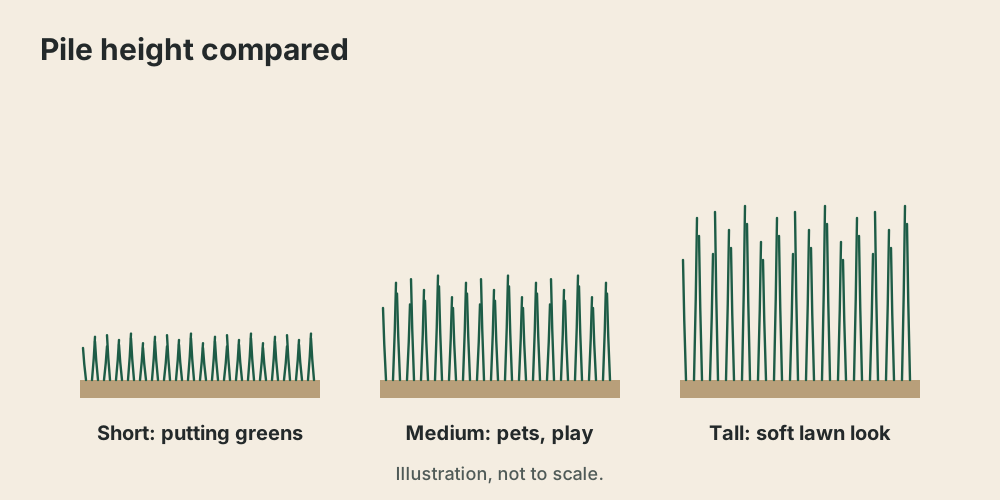
Pile height is how tall the fibers are, density is how closely they're packed, and face weight is how much fiber is in each square yard. Together they decide how turf looks, how soft it feels, how easy it is to clean, and much of what it costs.
Pile height
Short pile is used for putting greens and areas that need to look neat with heavy foot traffic. Medium pile is a common choice for play areas and pet areas, because it's comfortable but easy to rinse and pick up after. Tall pile looks and feels most like a lush lawn, but it can mat down where people walk and holds more debris.
In dusty desert yards, shorter and medium piles are easier to keep clean. That's worth weighing if your yard backs onto open desert.
Density and face weight
Denser turf, with a higher face weight, usually looks fuller and wears better, and usually costs more. A higher face weight isn't automatically better for every use. A pet area may do better with a product designed to drain and rinse easily than with the heaviest turf on the shelf.
Ask for the face weight in writing for each quoted product, so you're comparing like with like.
Fiber shape and backing
Fibers come in different shapes and materials, which affect softness and how upright they stay. The backing matters just as much: it holds the fibers and decides how water drains through. For dog areas, ask specifically about the backing's drainage. Our drainage and base guide explains what happens underneath.
Color in strong sun
Turf colors look different outdoors than in a showroom. Look at samples outside, in the same light as your yard. Ask what the manufacturer's warranty says about fading in UV, since Peoria yards get strong sun most of the year.
Matching product to use
Tell the installer what the space is for and let that drive the product choice. Our installation page explains how we set up estimates, and the putting green guide covers the short-pile end of the range.